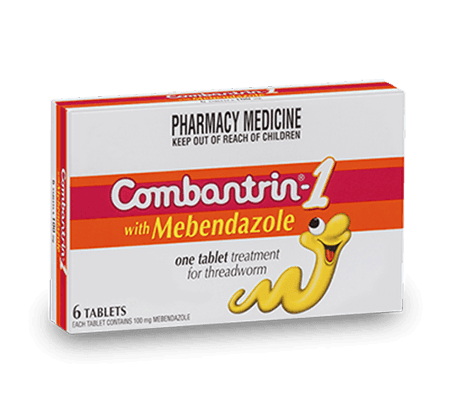
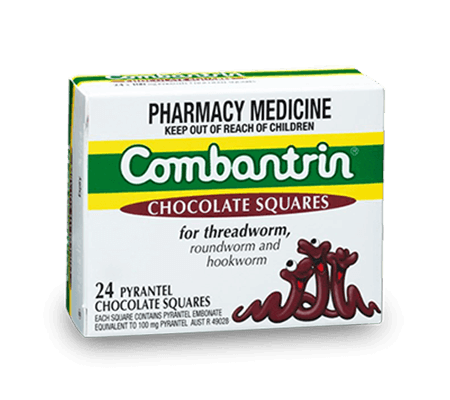
Threadworms are human host specific - that is, they will not survive in the intestine of household pets, so dogs and cats cannot be part of the threadworm lifecycle, and cannot be contracted from pets. However, it is still possible to contract threadworm from eggs stuck to the fur of cats and dogs.
Whilst domestic pets do not play a large role in the transfer of threadworm to humans, other types of worms can be caught from your pets. Animals can have their own form of "animal specific" roundworm, hookworm and whipworm, which are fortunately considered very rare in Australia and New Zealand. These may be passed on through the pet's poo when a child touches or eats a pet's poo; puts something in their mouth after the pet has had it in their mouth; or has their face licked by their pet.
It is important to consult your vet to help protect your pet against worms. If you suspect your child has another infection other than threadworms, please see your doctor for treatment.
Avoiding animal-sourced worm infestations
Be sure to keep any sandboxes or play areas covered in order to prevent dogs and cats from defecating in them – pet faeces can be a prime carrier of worm infections. Make sure you collect and dispose of all faecal material your dog or cat leaves behind, too.
Fight the source of tapeworms by proactively controlling fleas, and avoiding uncooked meat or offal when it comes to making up your pet’s meals. Your pets should also be wormed regularly with a recognised animal worming treatment.
Back to top